
Bradwell’s community-led response to tourism pressure
In Peak District, where some villages have lost 50-60% of their housing stock to second homes, Bradwell CLT demonstrates the power of local action to preserve the community. During a Saturday walk, Aga is learning from locals.
Aga Biedalak is a Board Trustee at the European CLT Network, an advocate for community-led housing and sustainability expert for the built environment.
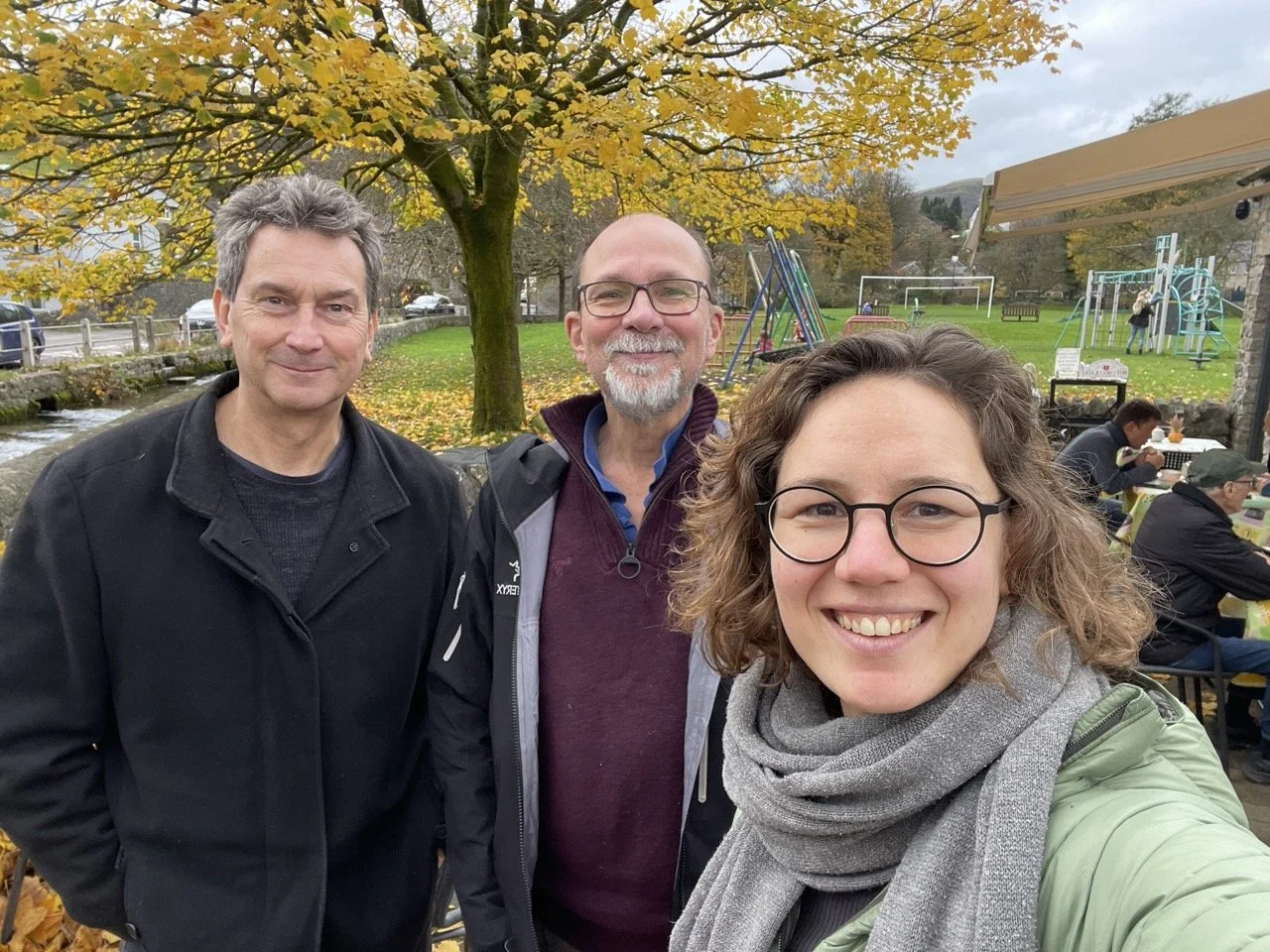
Andy Nash (center) has been instrumental in delivering 25 affordable homes for Bradwell since 2014
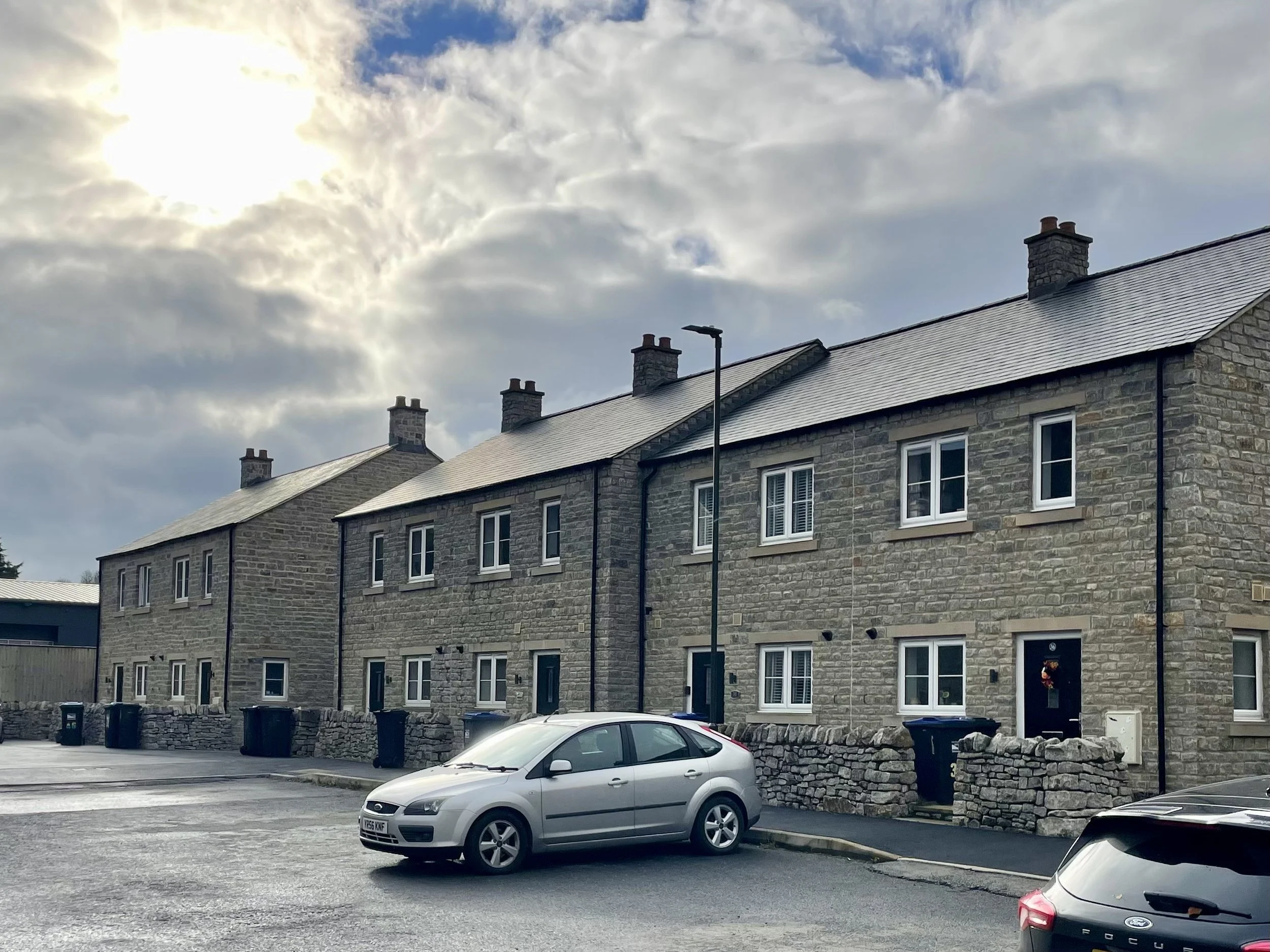
Twelve new CLT homes as part of Bradwell Springs development
As I planned my hiking trip in the Peak District, I reached out to Community Land Trusts along my route through the UK. What captured my attention during research: projects like Hook Norton CLT and Calder Valley CLT - affordable, sustainable, and inspiring places to live - all without big budgets. Deciding where to start was not easy, but for my first stop I picked Bradwell, a village where tourism pressure meets local determination to keep housing for those who live and work here.
A CLT in the hills of Peak District National Park
In Bradwell I met Andy Nash and Jerry Youle who invited me for a guided Saturday walk. Andy has been in the local parish council for fourteen years, and was now District Councillor. I quickly understood that he is a recognisable figure in the village. Local residents that I met along my way, noted that I’m having a good guide.
Andy and Jerry gave me a quick introduction to the local housing context. Bradwell sits within the Peak District National Park, where some villages have lost 50-60% of their housing to secondary homes or short-term rentals for tourists. Bradwell, however, has deliberately resisted becoming a tourist attraction for the last 25 years. Here, only 10-15% of housing accommodates tourists, a situation that reflects the local community's determination to remain a working village.
CLT Bradwell has delivered 24 homes for the local community since its inception in 2014. The organisation is fully dependent on the voluntary work of individuals who are committed to a better future for a diverse and affordable Bradwell. The projects are developed where local opportunities occur and where the needs of local community members are found. The small scale of the village allows for direct response to the needs of the families living there.
Affordable CLT homes looking just like their neighbours
The first CLT project enabled the building of 12 new affordable homes as part of a development of a 55 houses neighbourhood called Bradwell Springs. The partnership between private real estate developers and the CLT made it possible to have new homes for social rents developed in exactly the same standard of insulation, installations, kitchen furnishings and bathroom finish as all the other homes in the neighbourhood. This is an example of inclusionary housing, which is not yet widely spread in Europe, even though it is a very suitable planning instrument for municipalities where demand for housing is high and market parties are eager to build new developments.
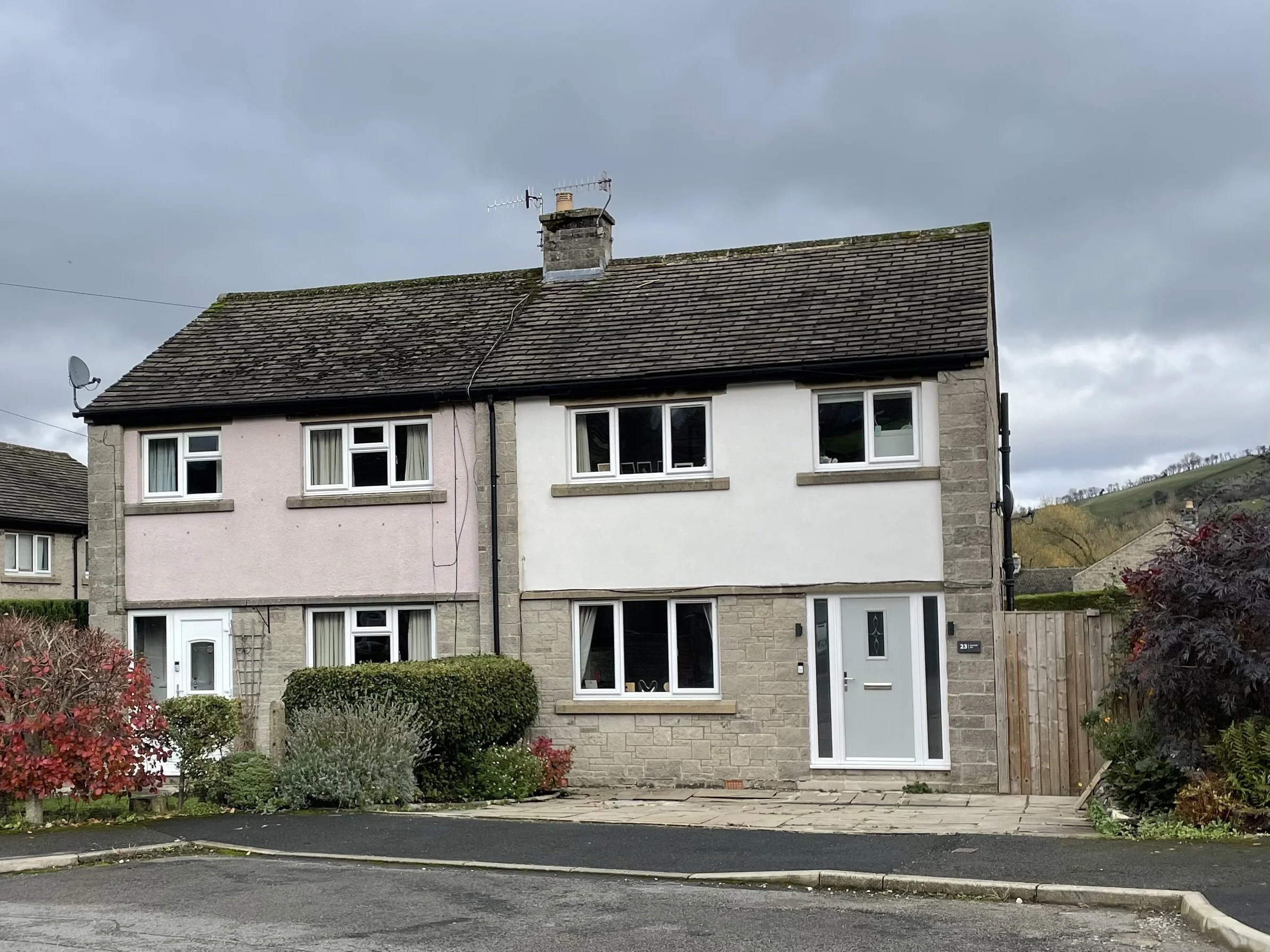
Tenant occupied Newburgh houses transferred into community ownership
From ‘for sale’ signs to community ownership
The next opportunity for affordable CLT houses, appeared when 12 tenant-occupied homes were intended to be sold to a London based investor. Andy and board members orchestrated partnerships with a social housing provider and funding from multiple sources to enable the purchase of these tenant-occupied homes by the CLT. Not everything went smoothly; Home England backed out late in the process saying they could not lend to organisations that were not on the registered provider list, and the team had to get creative and secure new funding and partners.
Keeping the houses for the local community prevented potential evictions, and most likely conversion to holiday homes, or redevelopment. From a market perspective, demolition and rebuilding would be most financially profitable. But Bradwell CLT and their partner Peak District Rural Housing Association chose to maintain the buildings and keep them in good condition - delivering greater social and environmental impact through avoiding demolition waste and preserving community stability.
“I wish for a sustainable and thriving Bradwell. For this, we need affordable housing. People have to have affordable housing, comfort and security of tenure to stay here and continue in the jobs they have in the area.” - Andy Nash
Why a playground matters
Walking through the village, Andy pointed at a playground. The local council had decided on new equipment to be purchased for the playground - standard public procurement. But for Andy, it seemed inappropriate that senior community members should decide on how the youngest ones will play.
In collaboration with the local school, pupils spent a half-day choosing their own playground equipment. They picked a completely different setup from what the council had selected. When the kids’ choices exceeded budget and space, they continued designing and learned to prioritize and decide collectively.
This shift in decision-making struck me as essential to understanding CLTs: community members building relationship with place through genuine participation. The children’s design process might become a cherished childhood story, while the playground will remain truly theirs.
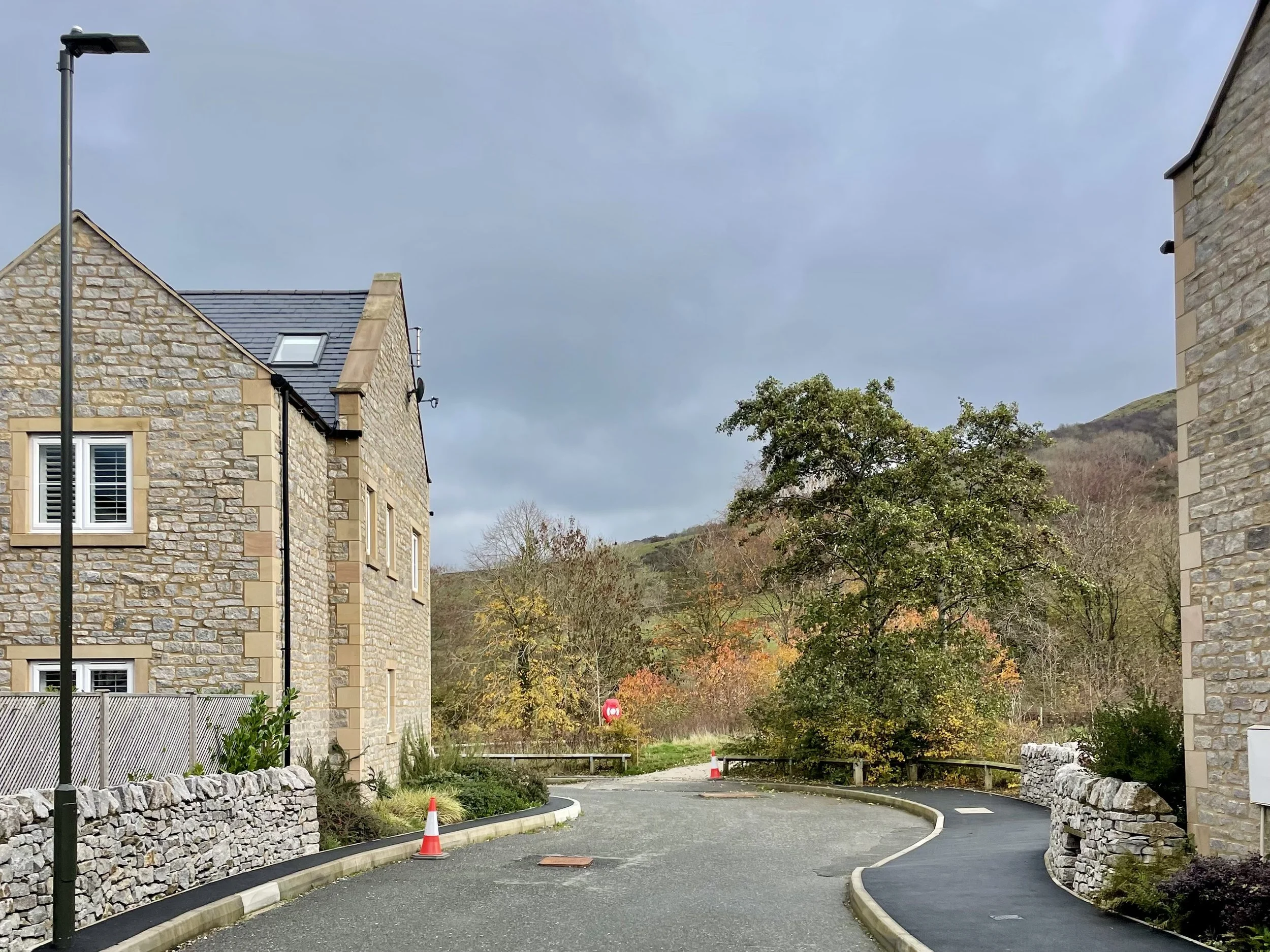
Bradwell Springs development located into hills of Peak District National Park
The power of relationship building in times of isolation
Andy’s work in Bradwell demonstrates the power of local action built on relationships. Small-scale, local organizations like Bradwell CLT have an ability to meet local communities, understand needs, and provide housing solutions that large-scale developers cannot simply match.
What strikes me when visiting CLTs is that despite modest budgets, high quality materials and sustainable solutions are prioritized. It is the focus on future residents and long-term thinking that enables truly sustainable solutions.